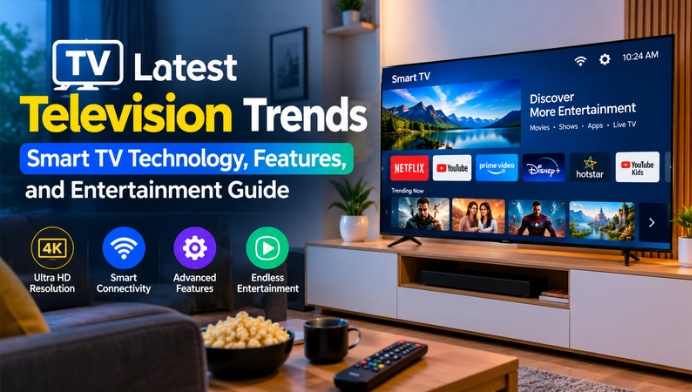
The Growing Popularity of Smart TVs
Smart TVs have become a popular choice for households because they combine traditional television viewing with internet-based entertainment. Users can connect their televisions to Wi-Fi and access streaming services, online videos, music applications, and other digital platforms. Many smart TVs also support screen mirroring, allowing users to display content from compatible smartphones, tablets, and computers. These features make smart televisions useful for entertainment, casual browsing, and sharing photos or videos with family members.
Advanced Display Technologies for Better Picture Quality
Picture quality is one of the most important factors when choosing a modern television. LED, QLED, OLED, and Mini-LED technologies offer different approaches to brightness, contrast, color reproduction, and viewing performance. OLED televisions are known for deep blacks and excellent contrast, while QLED and Mini-LED models can provide high brightness and vibrant colors. The best choice depends on your budget, room lighting, viewing habits, and personal preferences. Comparing display technologies can help you find a TV that suits your home entertainment needs.
4K and 8K Resolution Explained
High-resolution televisions deliver sharper images and more detailed visuals when suitable content is available. 4K TVs offer approximately four times the pixel count of Full HD displays, making them a popular option for movies, streaming, and gaming. Some premium televisions also support 8K resolution, which provides even more pixels but generally costs more and has less widely available native content. For many households, a good-quality 4K television offers an excellent balance of image detail, price, and content availability.
Smart TV Operating Systems and Applications
A television’s operating system determines how users navigate menus, install supported applications, and access entertainment services. Depending on the model, smart TVs may use Google TV, Android TV, Tizen, webOS, or another platform. These systems can provide access to streaming applications, recommendations, voice controls, and personalized home screens. Before purchasing a TV, check whether your preferred applications are supported, whether the interface is easy to use, and how long the manufacturer expects to provide software and security updates.
Streaming Services and Online Entertainment
Streaming has changed how audiences enjoy movies, television series, documentaries, live events, and regional-language content. Instead of depending only on cable or satellite channels, smart TV owners can use compatible streaming applications to watch entertainment over an internet connection. Subscription requirements, supported resolutions, and content availability vary between services and regions. A reliable broadband connection can improve streaming performance, especially when watching high-resolution videos. Choosing a television with convenient access to your favorite services can make everyday entertainment more enjoyable.
Gaming Features in Modern Televisions
Modern televisions increasingly include features designed for console gaming and other compatible gaming devices. Selected models support 120Hz or higher refresh rates, HDMI 2.1 connections, variable refresh rate technology, and automatic low-latency modes. These features can help deliver smoother motion and more responsive gameplay when both the TV and connected device support them. Gamers should also compare input lag, screen size, resolution, and available HDMI ports before purchasing. Choosing a television with suitable gaming capabilities can improve the overall gaming experience.
Audio Technology and Immersive Sound
Sound quality plays an important role in creating an enjoyable home entertainment experience. Many modern televisions support technologies such as Dolby Atmos or other virtual surround-sound formats, although performance depends on the television’s speakers and supported audio configuration. Built-in speakers may be suitable for everyday viewing, while a compatible soundbar or home theatre system can provide more powerful sound and clearer dialogue. Checking audio connections, HDMI eARC support, and compatibility with external speakers can help you build a more immersive entertainment setup.
Screen Size, Design, and Room Placement
Choosing the correct television size depends on viewing distance, room layout, personal preference, and available space. Larger screens can create a more cinematic experience, but the ideal size should fit comfortably within your room. Modern televisions often feature slim bezels, minimalist designs, and wall-mounting options that suit contemporary interiors. Before buying, measure your available space, check the television’s stand dimensions, and confirm that your wall mount supports the model’s weight and mounting specifications. Proper placement can improve viewing comfort and reduce reflections.
Voice Controls, Connectivity, and Smart Home Features
Many smart televisions offer voice search, wireless connectivity, and integration with compatible smart home devices. Depending on the model, users may be able to search for content, adjust settings, launch applications, or control certain connected devices using voice commands. Features such as Bluetooth, Wi-Fi, screen casting, USB ports, and HDMI connections also make it easier to connect accessories. Buyers should review the exact specifications because voice assistants, smart home compatibility, and connectivity options differ across brands and models.
How to Choose the Best Television for Your Needs
Choosing the best television involves balancing picture quality, screen size, smart features, sound, connectivity, and price. Start by deciding how you will use the TV, whether for streaming movies, watching sports, playing games, or everyday family entertainment. Compare display technologies, check the availability of your preferred applications, and look for useful features rather than paying extra for specifications you may not need. It is also worth reviewing warranty coverage, energy consumption, software support, and service availability. With careful research, you can select a television that provides reliable performance and long-term value.
Conclusion: The Future of Television Technology
The latest television trends demonstrate how smart technology is making home entertainment more convenient, interactive, and visually impressive. From 4K displays and advanced panel technologies to streaming applications, gaming features, and immersive audio, modern TVs offer a wide range of options for different budgets and lifestyles. As television technology continues to develop, software improvements and connected entertainment features are likely to remain important parts of the viewing experience. Understanding these features helps consumers make informed decisions and enjoy the benefits of modern television technology.