Growing Popularity of Electric Vehicles
The demand for EV vehicles in India has increased significantly over the past few years. Consumers are becoming more aware of the benefits of electric mobility, including lower operating costs and reduced carbon emissions. Urban areas, in particular, are seeing a surge in EV adoption as people look for eco-friendly alternatives to traditional petrol and diesel vehicles.
Government Support for EV Adoption
The Indian government has introduced several initiatives to encourage the adoption of electric vehicles. Policies aimed at reducing vehicle emissions, offering subsidies, and supporting charging infrastructure development have played a crucial role in boosting the EV market. These efforts are helping make electric vehicles more affordable and accessible to the average consumer.
Environmental Benefits of EV Vehicles
One of the biggest advantages of EV vehicles in India is their positive impact on the environment. Electric vehicles produce zero tailpipe emissions, helping to reduce air pollution in cities. As India continues to focus on renewable energy sources, EVs are expected to contribute significantly to the country’s sustainability goals and cleaner air initiatives.
Cost Savings and Economic Advantages
Electric vehicles offer substantial savings on fuel and maintenance expenses. Since EVs have fewer moving parts than conventional vehicles, maintenance requirements are generally lower. Charging an electric vehicle is also more economical compared to refueling with petrol or diesel, making EVs an attractive long-term investment for Indian consumers.
Expansion of Charging Infrastructure
The development of charging stations is a key factor driving the growth of EV vehicles in India. Public and private organizations are investing heavily in expanding charging networks across cities and highways. Improved charging accessibility is reducing range anxiety and encouraging more people to switch to electric mobility.
Technological Advancements in EVs
Modern EV vehicles come equipped with advanced technology features, including smart connectivity, regenerative braking, and improved battery management systems. Battery technology has evolved significantly, allowing newer electric vehicles to offer longer driving ranges and faster charging times, making them more practical for daily use.
Electric Two-Wheelers Leading the Market
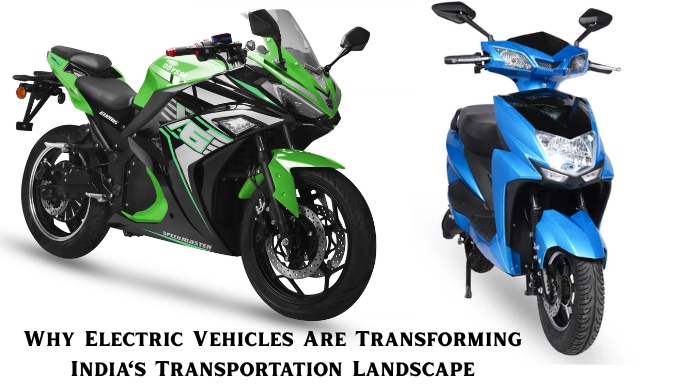
Electric scooters and motorcycles have become the most popular segment of the Indian EV market. Their affordability, convenience, and suitability for urban commuting make them an ideal choice for millions of riders. The increasing availability of stylish and feature-rich electric two-wheelers is accelerating the transition toward electric mobility.
Growth of Electric Cars in India
Electric cars are also gaining momentum among Indian buyers. Manufacturers are introducing a variety of models that cater to different budgets and preferences. As battery technology improves and charging infrastructure expands, electric cars are becoming a practical option for both city driving and long-distance travel.
Challenges Facing the EV Industry
Despite its rapid growth, the EV industry in India still faces several challenges. High initial vehicle costs, limited charging infrastructure in rural areas, and battery recycling concerns remain important issues. However, continuous innovation and supportive policies are helping address these challenges and improve the overall EV ecosystem.
Future of EV Vehicles in India
The future of EV vehicles in India looks highly promising. With increasing investments, technological advancements, and growing consumer awareness, electric mobility is expected to play a major role in the country’s transportation sector. As more people embrace sustainable travel solutions, EVs will continue to reshape India’s automotive landscape and contribute to a cleaner, greener future.
Conclusion
EV vehicles in India are revolutionizing transportation by offering an environmentally friendly, cost-effective, and technologically advanced alternative to conventional vehicles. As government support, charging infrastructure, and consumer confidence continue to grow, electric vehicles are poised to become a dominant force in India’s mobility future. The shift toward EV adoption represents not only a transportation revolution but also a significant step toward sustainable development and environmental responsibility.