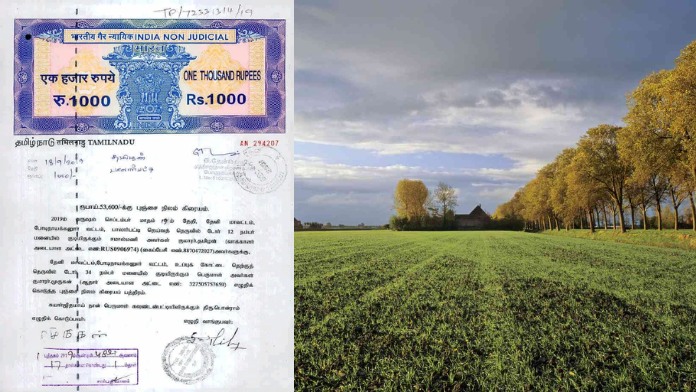
What Exactly Is Jamabandi and Why Does It Matter
Jamabandi is a land revenue record that provides comprehensive details about a particular piece of land and its owner. The document is periodically updated by revenue authorities to reflect changes in ownership, cultivation patterns, and other land-related information. It acts as an authoritative source of information that helps prevent disputes and establishes legal ownership. Because of its reliability, Jamabandi is widely used in property verification and legal proceedings.
The Historical Significance of Jamabandi in Land Governance
The concept of Jamabandi has its roots in traditional land revenue systems that were established to maintain accurate records of agricultural and non-agricultural lands. Over time, governments refined these systems to improve transparency and efficiency in land administration. Today, Jamabandi continues to play a critical role in maintaining organized land records, supporting taxation systems, and ensuring lawful ownership of property across various regions.
Key Information Included in a Jamabandi Record
A Jamabandi record contains valuable details related to land ownership and usage. It typically includes the name of the owner, land area, survey numbers, type of land, cultivation details, and revenue assessments. In some regions, it may also include information about mortgages, leases, or legal encumbrances. These details make Jamabandi an essential reference document for property owners, buyers, financial institutions, and government agencies.
How Jamabandi Supports Property Ownership Verification
Property ownership verification is one of the most important functions of Jamabandi. Before purchasing land, buyers often examine the Jamabandi record to confirm the seller’s ownership rights and verify that the property is free from disputes. This process reduces the risk of fraudulent transactions and provides confidence to both buyers and sellers. Accurate ownership records contribute to smoother property transfers and better legal protection.
The Role of Jamabandi in Land Transactions and Property Sales
Jamabandi plays a vital role during property transactions by providing verified information about the land and its ownership history. Buyers, sellers, and legal professionals rely on these records to ensure that all details related to the property are accurate and up to date. By offering a clear picture of ownership and revenue obligations, Jamabandi simplifies the transaction process and helps avoid future complications.
Importance of Jamabandi for Agricultural Land Management
For agricultural landowners, Jamabandi serves as a valuable document that records cultivation details and land usage patterns. Farmers can use these records for obtaining agricultural loans, applying for government schemes, and resolving land-related issues. Revenue authorities also depend on Jamabandi data to assess land taxes and monitor agricultural activities. As a result, the document contributes significantly to effective agricultural land management.
How Digital Transformation Has Improved Access to Jamabandi Records
Advancements in technology have transformed the way Jamabandi records are maintained and accessed. Many state governments have introduced online land record portals that allow citizens to view and download Jamabandi documents conveniently. Digital access reduces paperwork, improves transparency, and minimizes the chances of record manipulation. It also enables faster verification processes for property transactions and legal matters.
Legal Benefits of Maintaining Accurate Jamabandi Records
Accurate Jamabandi records provide strong legal support in property-related disputes and ownership claims. Courts and government authorities often rely on these records as evidence when resolving land conflicts. Keeping land records updated helps property owners safeguard their rights and avoid legal complications. Regular verification of Jamabandi details ensures that ownership information remains correct and legally valid.
Challenges Associated with Land Record Management
Despite its importance, maintaining accurate land records can sometimes be challenging due to outdated information, inheritance disputes, boundary conflicts, and administrative delays. Errors in land records may lead to confusion and legal issues for property owners. Governments continue to implement reforms and digital initiatives to improve record accuracy and streamline land management systems. These efforts aim to make land administration more efficient and trustworthy.
Tamil Nadu District-Wise Jamabandi Dates and PDF Download
| District Name | Jamabandi Dates (PDF) |
|---|---|
| Coimbatore | Check Date |
| Thanjavur | Check Date |
| Ramanathapuram | Check Date |
| Tenkasi | Check Date |
| Ariyalur | Check Date |
| Thoothukudi | Check Date |
| Salem | Check Date |
| Mayiladuthurai | Check Date |
| Madurai | June 16 to June 30 |
| Chengalpattu | June 9 to June 25 |
| Chennai | Check Date |
| Dindigul | Check Date |
| Erode | Check Date |
| Kallakurichi | Check Date |
| Kanyakumari | Check Date |
| Nilgiris | Check Date |
| Ranipet | Check Date |
| Sivaganga | Check Date |
| Tiruchirappalli | Check Date |
| Tirupathur | Check Date |
| Tiruppur | Check Date |
| Tiruvallur | Check Date |
| Tiruvarur | Check Date |
Why Understanding Jamabandi Is Essential for Every Property Owner
Jamabandi remains a cornerstone of effective land record management and property administration. It provides a reliable source of information regarding ownership, land usage, and revenue obligations, making it indispensable for property transactions and legal verification. Whether you are a landowner, buyer, investor, or farmer, understanding Jamabandi can help you make informed decisions and protect your property rights. As land record systems continue to modernize, Jamabandi will remain a vital tool for ensuring transparency, accountability, and efficient property management.